Child in the Shadows: The Secret Life of a Forgotten Hero
- Dhaniel Gautama
- Oct 12, 2025
- 4 min read

Updated: Oct 14, 2025
Hidden in his nook, he kept his eyes locked on the man before him. Every twitch was noticed; every gesture was caught. In an instant, he saw the man draw a small mirror from his pocket. His heart pounded—without a doubt, the man was a Dutch stooge!


He bolted, ran like a deer chased by a tiger. Branches whipped against his face; thorns pierced his bare feet. But nothing slowed him down. His destination was a small hut deep in the bamboo forest. Bursting through the door, he shouted:
“Commander, we must leave! The enemy has found us!”
Moments later, the roar of engines split the sky as two military aircraft flew over the bamboo forest. Dozens of bombs rained down, and in a heartbeat the grove became a sea of fire. Flames devoured the trees. Black smoke curled upward, blotting out the daylight.
The guerrilla fighters watched from a distance, horror in their eyes. If not for Ngadimin’s warning, they would have been roasted alive in that inferno—nothing more than human barbecue. The commander patted the boy’s shoulder.
“Good work, soldier.”
The Boy Who Watched the Enemy
It was 1948. Indonesia had already declared its independence, but the Netherlands launched a military offensive. History records it as the Second Dutch Military Aggression. War broke out between the two sides. Outgunned, the national army fought back with guerrilla tactics— ambushes, quick strikes, and constant movement from one place to another.
At that time, Ngadimin was only fifteen—a child who should have been in school, laughing and playing with friends. Instead, he chose to fight. For him, it was personal. His father was shot dead by Dutch soldiers. From that day, he swore to take revenge.
His father was no soldier; he had never fired a gun in his life. He was simply a farmer, toiling in the fields from dawn to dusk—a man of soil and sweat. But when night fell, he helped the guerrillas, shoulder to shoulder with fellow villagers, digging holes to trap Dutch tanks. Though uneducated, he taught what really mattered. Fate, he said, did not move on its own. To change it, you must fight for it.
One of the villagers turned out to be a Dutch informant. In secret, he reported every move of Ngadimin’s father and others to the enemy. When the Dutch struck Ngadimin’s village, soldiers came looking for his father. They opened fire on the family. His father was killed on the spot. His youngest brother wounded in the left hand. Ngadimin, however, managed to escape.
Ngadimin then went to the guerrilla camp. He wanted to join the fight, willing to do anything, even face death on the front lines. A hulking army commander broke from the crowd, boots thudding against the dirt. He leaned close. Ngadimin could clearly see his fierce face, carved by years of war. Suddenly, his voice roared, booming like artillery:
“Aren't you afraid of dying?”
Ngadimin did not flinch. He gave no answer—only a firm shake of his head.
Since then, he had been working unofficially under the commander. His first task was to build hiding places for ammunition and weapons. He dug pits in concealed spots, then gathered dry bamboo, branches, and wood to cover them.
Ngadimin worked with restless energy, full of enthusiasm. Before long, he earned the soldiers’ respect; they no longer treated him as a child. One day, the commander called him, offering a new assignment.
“You will serve as an intelligence officer.”
“Yes, commander, but what kind of work is that?”
“A spy.”
The commander believed that Ngadimin’s youth was his greatest weapon—no enemy would suspect a kid. The boy was given brief training in the craft of espionage—how to hide, disguise himself, and track enemy movements. His assignment was to shadow suspected Dutch informants. The risk was absolute—capture meant death.
Ngadimin quickly learned that identifying Dutch spies was far from simple. They looked no different from the guerrillas or the villagers—the same brown skin, same flat noses, same words on their lips. They smiled like friends and prayed like brothers. They were Indonesians, yet bound to the Dutch. To find them, he had to watch closely, studying even the smallest of habits.
One of their prized tools was a tiny mirror—cheap, pocket-sized, and deadly. The traitors never left home without one. Once they spotted guerrilla positions, they would point it toward the sun. The sudden glint became a signal for Dutch bomber planes that ceaselessly patrolled the skies, like a hawk hunting a rabbit.
For about a year, Ngadimin served as a spy for the guerrillas. He slipped in and out of the forest, hid in broken houses, faked insanity so well that some villagers started to believe it, and learned that hunger makes a fine lifelong companion. Once, for twenty straight days, while spying in Boyolali, he lay hidden in the bushes, surviving on nothing but bamboo shoots and raw leaves.
“Back then,” he chuckled, “I was no different from a goat—filthy, smelly, and chewing on leaves.”

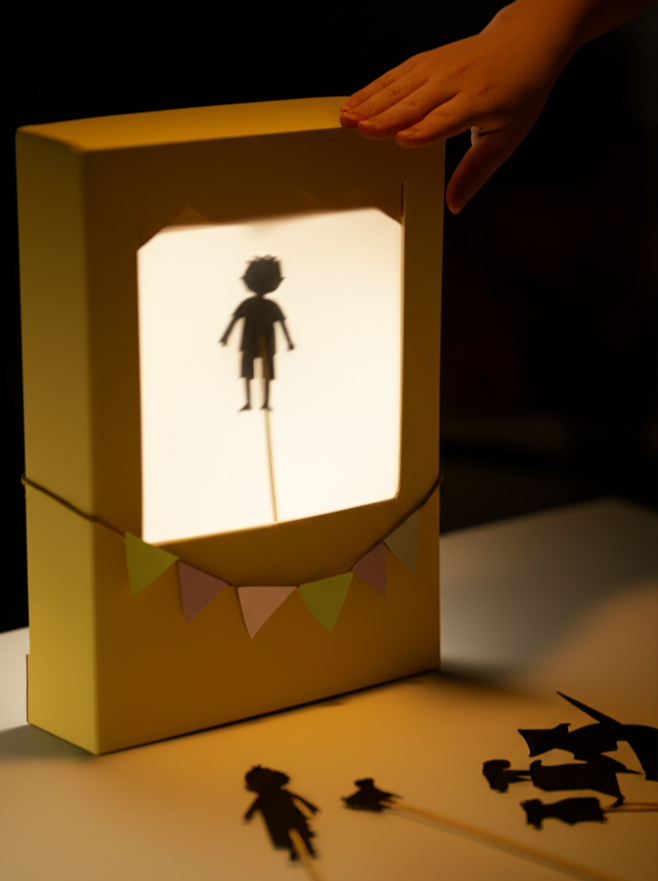
From Shadows to Toys
After Indonesia’s sovereignty was recognized in December 1949, the Dutch army returned to their homeland. The guerrilla fighters marched proudly into their barracks as heroes. Ngadimin, since he had never been an official soldier, went back to civilian life.
Civilian life was a harsher battlefield. He scraped by as a pedicab driver, bent his back as a construction worker, and hawked goods on the street. In the 1970s, he built a small fortune from selling semprong—a simple traditional snack. From then on, everyone called him Mbah Min Semprong.
Mbah Min is still alive today. At 92, he continues to earn his own living, never depending on his children. Every day, he can be found selling children’s toys at Solo Safari, one of the city’s well-known tourist attractions,
“I make all these toys myself. Beyond just making money, I want today’s children to stay connected with traditional toys.”
Mbah Min’s name may not appear in the history books. Yet each simple toy he carefully crafts whispers a story: this nation’s independence was once fought for, hand by hand, by ordinary people who became heroes in silence.


Comments